
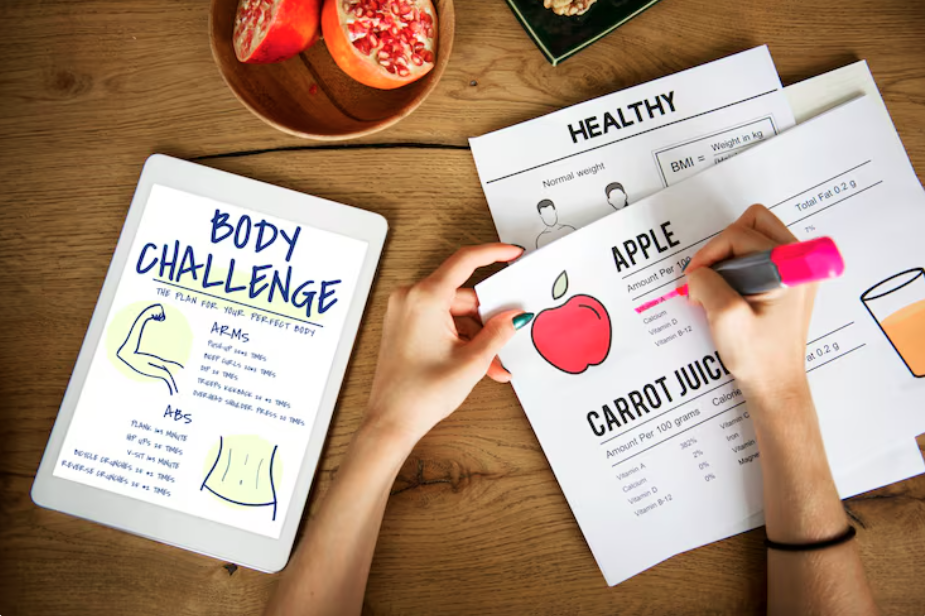
When people think about “getting healthy,” they usually zoom in on one piece at a time—going to the gym, cutting sugar, or trying to sleep earlier. But your body doesn’t live in separate boxes. Movement, food, sleep, and stress all interact, and research is very clear that these combined lifestyle factors heavily influence the risk of chronic disease. (CDC)
If you want long-term results, it helps to think of your lifestyle as a square: four corners that hold your health together.
The Four Corners of Everyday Health
1. Movement: Training Your Body to Protect Your Future
Regular physical activity isn’t just about burning calories; it’s one of the most powerful tools you have to reduce the risk of heart disease, diabetes, and certain cancers. Public health organizations consistently highlight that moving more helps prevent and manage major non-communicable diseases while also improving mood, brain function, and overall well-being. (World Health Organization)
You don’t need a professional athlete’s routine. Many people do well with:
- Brisk walking, cycling, or swimming most days of the week
- Strength training 2–3 times per week to protect muscle and bones
- Light movement “snacks” throughout the day—taking the stairs, short walks between tasks, stretching after long sitting sessions
The best movement plan is the one you can keep doing next month and next year.
2. Nutrition: Fuel, Not Punishment
A healthy diet pattern is less about strict rules and more about consistent choices over time. Studies show that balanced eating—plenty of vegetables and fruits, adequate protein, whole grains, and healthy fats—can dramatically reduce the risk or delay the onset of many chronic illnesses. (PMC)
A practical approach:
- Build meals around whole foods most of the time
- Use ultra-processed snacks and sugary drinks as occasional extras, not daily staples
- Make protein, fiber, and healthy fats part of every main meal to stay full and energized
Instead of chasing the newest “miracle diet,” focus on an eating pattern that you can imagine following for years.
3. Sleep: The Hidden Performance Enhancer
Sleep is not just “recovery time”—it’s active maintenance for your brain and body. Research shows that adequate, good-quality sleep supports memory, learning, emotional regulation, and even helps clear waste products from the brain. (www.heart.org)
When you regularly sleep too little, it’s harder to:
- Control appetite and cravings
- Stay consistent with exercise
- Think clearly and make good decisions about food and habits
Aiming for a stable sleep schedule, a dark and quiet bedroom, and a wind-down routine (no intense screens right before bed) can pay off across every other corner of your health square.
4. Stress: The Silent Saboteur
Chronic stress is more than feeling “busy.” If it goes on for too long, it can raise blood pressure, increase inflammation, and contribute to higher risks of heart disease and other problems. (www.heart.org)
You can’t remove all stress, but you can change how your body experiences it:
- Short relaxation breaks (deep breathing, a quick walk, or stretching)
- Regular physical activity, which itself lowers stress and improves mood
- Social connection and enjoyable hobbies
- When needed, professional support from a healthcare or mental health provider
Managing stress doesn’t mean ignoring real problems; it means giving your body better tools to handle them.
From Random Tips to a Personal Health Map
Articles, podcasts, and videos can provide useful ideas—but without a system, they blur together. One powerful shift is to treat your health like a long-term project and document it:
- Keep a simple record of your movement (steps, workouts, or active minutes)
- Note the general pattern of your meals rather than obsessing over every gram
- Track your average sleep duration and quality
- Jot down major stressors and how you responded
Over time, you start to see patterns: maybe your sleep gets worse when evening screen time creeps up, or your workouts feel better when you prepare lunch the night before. Those patterns are more valuable than any single tip.
Organizing the “Paper Trail” of Your Health
On top of daily habits, modern life generates a huge paper trail around your health:
- Workout programs from trainers or online plans
- Nutrition guides and meal templates
- Lab results and doctor visit summaries
- Rehab instructions after an injury
- Educational PDFs about conditions or medications
If all of that lives in different email accounts, apps, and downloads folders, you’ll rarely look at it. A much more practical approach is to create a small digital library just for your health:
- One main folder on your computer or cloud drive
- Subfolders like Workouts, Nutrition, Medical, and Recovery
- A “Current Plan” document for what you’re focusing on this month
A PDF management tool such as pdfmigo.com can help here. For example, you can quickly merge PDF workout schedules, meal plans, and doctor instructions into a single, organized file for your current goal, and then split PDF later if you want to share only the training or nutrition section with a coach, partner, or friend.
This way, you don’t just collect information—you turn it into a personal health manual you can actually use.
Making Your Health Square Work in Real Life
You don’t need to change everything at once to benefit from this framework. In fact, research suggests that even modest improvements in these lifestyle factors—more movement, better nutrition, enough sleep, and lower chronic stress—can significantly cut the risk of many chronic illnesses. (CDC)
A simple way to start:
- Pick one corner (for example, movement) and define a small, clear change for the next two weeks.
- Once that feels more automatic, choose a second corner (like sleep) and make one improvement there.
- Keep your notes and key documents in one place, so you can see how your choices are shaping your health over time.
By slowly strengthening each side of the square, you build a lifestyle that supports your energy, mood, and long-term health—without crash diets, extreme routines, or constant confusion about what to do next.
