
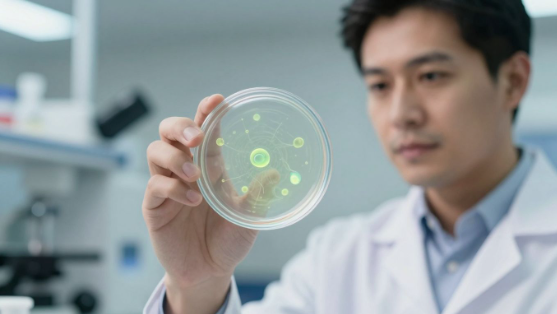
Explore stem cell therapy CT innovations, patient success stories, and future advancements. Learn about refining protocols and ensuring safety.
Stem cell therapy is a hot topic, and Connecticut is seeing some really interesting developments. It’s like a whole new way of treating illnesses that we didn’t have before. People are looking into how it works, what’s new, and if it actually helps. We’ll explore what’s happening with stem cell therapy in CT, from the science behind it to the real stories of people who have tried it.
Understanding Stem Cell Therapy CT Innovations
Stem cell therapy is really changing how we think about treating all sorts of health problems. It’s not just science fiction anymore; it’s becoming a real part of medicine here in Connecticut and beyond. The big deal with stem cells is their amazing ability to become different types of cells in the body. Think of them as the body’s own repair crew, ready to step in where needed.
The Evolving Landscape of Stem Cell Treatments
We’ve come a long way from just talking about stem cells. Now, we’re seeing actual treatments being developed and used. It’s a field that’s moving fast, with new ideas popping up all the time. What was experimental a few years ago might be a standard option today. This constant progress means more hope for people dealing with conditions that were once considered untreatable.
Key Technological Advancements in Cellular Therapy
There have been some pretty big leaps in the technology behind stem cell treatments. Things like growing cells in 3D environments, which mimics how they grow in the body, are making a difference. Also, scientists are getting better at preparing the cells before they’re used, making sure they’re ready to do their job effectively once they’re in the patient. This preparation, sometimes called preconditioning, is key to making sure the cells survive and work well after being transplanted.
Navigating the Science Behind Stem Cell Applications
It can get complicated pretty quickly when you start talking about the science. But the basic idea is that we’re learning how to guide these stem cells to do specific things. For example, we can encourage them to become heart cells to repair damage after a heart attack, or nerve cells to help with spinal cord injuries. It’s about understanding the signals that tell a stem cell what to become and how to use that knowledge to help people heal.
Here’s a look at some of the areas where stem cell applications are being explored:
- Regenerative Medicine: Repairing damaged tissues and organs.
- Autoimmune Diseases: Modulating the immune system to stop it from attacking the body’s own tissues.
- Neurological Disorders: Potentially replacing damaged nerve cells in conditions like Parkinson’s or ALS.
- Cardiovascular Health: Repairing heart muscle after damage.
The goal is to harness the body’s natural healing power, amplified by scientific innovation, to address conditions that have historically had limited treatment options. This involves careful study and application of stem cell properties.
Patient Journeys in Stem Cell Therapy CT
Success Stories Across Diverse Conditions
It’s really inspiring to hear about people who’ve found relief and improvement through stem cell therapy right here in Connecticut. We’ve seen some pretty amazing results across a range of conditions. For instance, individuals dealing with chronic joint pain, like osteoarthritis, are reporting significant reductions in discomfort and a much better ability to move around. It’s not just about pain relief, though; it’s about getting back to doing the things they love.
Then there are the stories from patients with neurological conditions. Some have experienced noticeable improvements in motor skills and a general uplift in their quality of life, which can be life-changing. These aren’t just isolated incidents; they represent a growing body of evidence showing the potential of these treatments to help the body heal itself.
- Improved mobility in patients with degenerative joint diseases.
- Enhanced functional capacity in individuals with certain neurological disorders.
- Reduced inflammation and pain across various chronic conditions.
These positive outcomes really highlight the promise of stem cell therapy, offering a new avenue for those who haven’t found success with traditional methods.
Insights from Unsuccessful Treatment Experiences
Of course, it’s important to be realistic. Not every stem cell therapy journey ends with a complete recovery. Sometimes, treatments don’t yield the expected results, and understanding why is just as important as celebrating the successes. Factors like the severity of a condition, the specific type and quality of stem cells used, and an individual’s overall health can all play a role.
Learning from these less successful experiences helps researchers and clinicians refine their approaches. It’s a continuous process of learning and adaptation. By looking at the full picture, both the wins and the setbacks, the medical community can develop more effective and targeted treatments for the future.
Understanding why a treatment might not work is key to improving it for everyone else. It’s about gathering all the data, good and bad, to make the next steps better.
The Role of Patient Selection in Treatment Outcomes
Choosing the right patients for stem cell therapy is a big deal. It’s not a one-size-fits-all kind of thing. Doctors carefully look at a person’s medical history, the specifics of their condition, and their general health before recommending treatment. This careful selection process is really about matching the therapy to the individual in the best way possible.
For example, certain health markers and the absence of other serious conditions can significantly influence how well someone might respond. This meticulous pre-treatment assessment is designed to give patients the best possible chance of a positive outcome. It’s about making sure the therapy is appropriate and has the highest likelihood of success for that particular person.
Refining Stem Cell Therapy Protocols
Enhancing Cell Survival and Function Post-Transplant
Getting stem cells to not just survive, but actually do their job after they’ve been put into a patient is a big hurdle. Researchers are looking at ways to make these cells tougher and more effective. This involves everything from how the cells are handled before they’re given to the patient, to making sure they can find their way to where they’re needed most in the body. The goal is to make sure more of the transplanted cells stick around and perform their regenerative tasks. It’s a complex puzzle, but progress is being made.
The Impact of 3D Cell Cultures and Preconditioning
Traditional methods often grew stem cells flat on a surface, which isn’t really how they behave in the body. Now, using 3D cell cultures is becoming more common. This means growing cells in a more natural, three-dimensional environment, which can help them develop better and behave more like they would inside a person. Think of it like growing a plant in a pot versus just a flat tray – the pot offers a more complete environment.
Preconditioning is another area getting a lot of attention. This involves preparing the stem cells before they are given to the patient. It might mean exposing them to certain conditions or giving them specific nutrients to make them stronger or better at their job. It’s like giving an athlete a special diet and training regimen before a big game.
Strategies for Improving Treatment Efficacy
There are several ways doctors and scientists are trying to make stem cell treatments work better. It’s not just about the cells themselves, but the whole process.
- Better Cell Selection: Identifying and using the most potent stem cells for a specific condition. Not all stem cells are created equal, and picking the right ones matters.
- Optimized Delivery: Figuring out the best way to get the cells to the target area. This could be through injections, IV drips, or even more targeted methods.
- Supportive Therapies: Using other treatments alongside stem cells to help them survive and function, like specific medications or growth factors.
- Advanced Processing: Techniques like genetic engineering are being explored to give stem cells specific abilities, such as better homing to damaged tissues or increased proliferation.
Making stem cell therapy more reliable means looking at every step of the process. From how the cells are grown and prepared, to how they are delivered and what happens to them afterward. It’s a multi-faceted approach that requires attention to detail at every stage to get the best results for patients.
The Future of Stem Cell Therapy in Connecticut
Emerging Technologies and Novel Approaches
The world of stem cell therapy is always moving forward, and Connecticut is right there with it. We’re seeing some really cool new tech pop up that could change how we treat all sorts of conditions. Think about gene editing, for example. Tools like CRISPR are getting better and better, allowing scientists to make very specific changes to cells. This could mean making stem cells more effective at repairing damage or fighting disease. It’s not just about editing, though. Researchers are also looking at how to grow cells in 3D environments, which seems to be a better way to mimic how they’d work in the body. Plus, new materials are being developed to help stem cells stick around where they’re needed, giving treatments a better chance to work.
Precision Medicine and Personalized Treatment Plans
One of the biggest shifts happening is towards precision medicine. This means moving away from one-size-fits-all treatments and tailoring therapies to each individual. For stem cell therapy, this could involve looking at a patient’s unique genetic makeup and the specific details of their condition. The idea is to figure out the best type of stem cell, the right dose, and the optimal delivery method for you. It’s about making treatments as effective as possible by considering all the little details that make each person different. This personalized approach is really the next step in making these therapies work even better.
Advancements in Gene Editing and Bioengineering
We’re also seeing a lot of progress where biology meets engineering. Bioengineering is helping us create better ways to deliver stem cells and support their growth. This could involve designing special scaffolds that guide cell development or creating systems that help cells survive better after they’ve been transplanted. The combination of advanced gene editing and smart bioengineering is opening up entirely new possibilities for treating diseases that were once considered untreatable. It’s a complex field, but the potential impact on patient care is huge. We’re talking about making cells do exactly what we need them to do, more reliably and safely than ever before.
Ensuring Safety and Efficacy in Stem Cell Treatments
When we talk about stem cell therapy, especially here in Connecticut, the big questions always circle back to safety and whether it actually works. It’s not just about the science; it’s about making sure patients are protected and that the treatments are reliable. The goal is always to provide real benefits with minimal risk.
Quality Assurance and Regulatory Frameworks
Think of quality assurance as the behind-the-scenes work that keeps everything running smoothly and safely. This involves a lot of checks and balances. For instance, there are written policies for how cellular therapies are given, and medical staff need special training and certifications. Before any infusion, vital signs like temperature and breathing are checked. It’s all about having solid procedures in place.
Regulatory bodies are also constantly updating rules. They’re trying to keep pace with new discoveries while making sure patients are safe. It’s a balancing act, but these safeguards are key to making sure treatments are effective and don’t cause unexpected problems.
Patient Rights and the Importance of Informed Consent
This part is really about you, the patient. You have the right to know exactly what you’re getting into with stem cell therapy. This means understanding the potential benefits, yes, but also the risks involved. Where do the cells come from? What does the procedure entail? What side effects might pop up? All of this needs to be explained clearly, without any pressure to decide.
It’s vital that you feel comfortable asking questions and that your healthcare provider is completely open about the real promise and the limitations of the therapy. Making an informed choice is your right.
Distinguishing Marketing Claims from Scientific Evidence
This is where things can get a little tricky. You’ll see a lot of claims out there, especially online, about how amazing stem cell treatments are. Sometimes, the line between what’s a proven scientific fact and what’s just a sales pitch can get blurry. Clinics might make treatments sound better than they are to attract more patients.
It’s really important to look for treatments that have solid scientific backing. Don’t just take advertisements at face value. Ask for evidence, look for studies, and talk to your doctor about what’s actually supported by research. For example, research is ongoing into treatments like CD388 for influenza prevention [c097].
Here’s a quick way to think about it:
- Scientific Evidence: Based on peer-reviewed studies, clinical trials, and data from regulatory agencies.
- Marketing Claims: Often anecdotal, focus on testimonials, and may exaggerate outcomes.
- Red Flags: Guarantees of a cure, lack of transparency about risks, or high-pressure sales tactics.
Being a savvy patient means doing your homework and understanding the difference between what’s scientifically validated and what’s just a hopeful promise. It’s about making sure the hope you have is grounded in reality and that your treatment journey is as safe and effective as possible.
Measuring Success in Stem Cell Therapy CT
So, how do we actually know if stem cell therapy is working? It’s not always a simple yes or no answer. We’re talking about complex biological processes here, and what works for one person might not be the same for another. It really comes down to looking at a few different things to get a clear picture.
Defining and Measuring Treatment Outcomes
When we talk about success, it’s more than just a feeling. Doctors and researchers look at a range of indicators. These can include:
- Improved functional ability: Can the patient move better? Is there less pain when they do everyday activities?
- Reduction in symptoms: For conditions like autoimmune diseases or neurological disorders, a decrease in symptom severity is a key marker.
- Imaging studies: Sometimes, scans can show actual tissue regeneration or repair happening at the cellular level.
- Patient-reported outcomes: How the patient feels day-to-day, their quality of life, and their own perception of improvement are incredibly important.
It’s a combination of objective data and subjective experience that truly defines success.
Remote Monitoring for Enhanced Patient Care
Keeping tabs on patients after treatment is super important, and technology is making this easier. In Connecticut, like elsewhere, there’s a growing use of remote monitoring systems. These systems can track over 50 different health metrics in real-time. This means doctors can keep a close eye on how patients are doing without them needing to be in the clinic all the time. It helps catch any issues early and allows for quick adjustments to care plans, which can make a big difference in recovery.
Statistical Insights into Treatment Success Rates
Looking at the numbers can give us a broader view. While success rates can vary a lot depending on the condition being treated and the specific type of stem cell used, some general trends are emerging. For instance, in orthopedic applications, many patients report significant pain relief and improved mobility. For certain blood disorders, success rates can be quite high. However, it’s important to remember that these are often averages, and individual results will differ.
| Condition Category | Approximate Success Rate | Key Indicators |
| Orthopedic Issues (Joints) | 70-85% | Pain reduction, improved mobility, function |
| Autoimmune Diseases | 65-80% | Symptom reduction, reduced inflammation |
| Neurological Conditions | 50-70% | Improved motor skills, slowed disease progression |
| Blood Disorders (Transplants) | 60-75% | Engraftment success, long-term survival rates |
Understanding these statistics helps set realistic expectations. It’s not a magic bullet, but a developing field with growing evidence of positive outcomes for many patients.
Wrapping Up Our Look at Stem Cell Therapy in CT
So, we’ve talked a lot about stem cell therapy here in Connecticut, and it’s clear this is a really exciting area. We’ve seen how it’s helping people with all sorts of problems, from bad joints to more serious conditions. The stories we’ve heard show that when it works, it really works. Of course, it’s not a magic fix for everyone, and understanding why some treatments go better than others is important. But the science is moving fast, with new tech and smarter ways of doing things all the time. It’s all about making these treatments safer and more effective for more people. Keep an eye on this field, because it’s definitely changing how we think about healing.
